

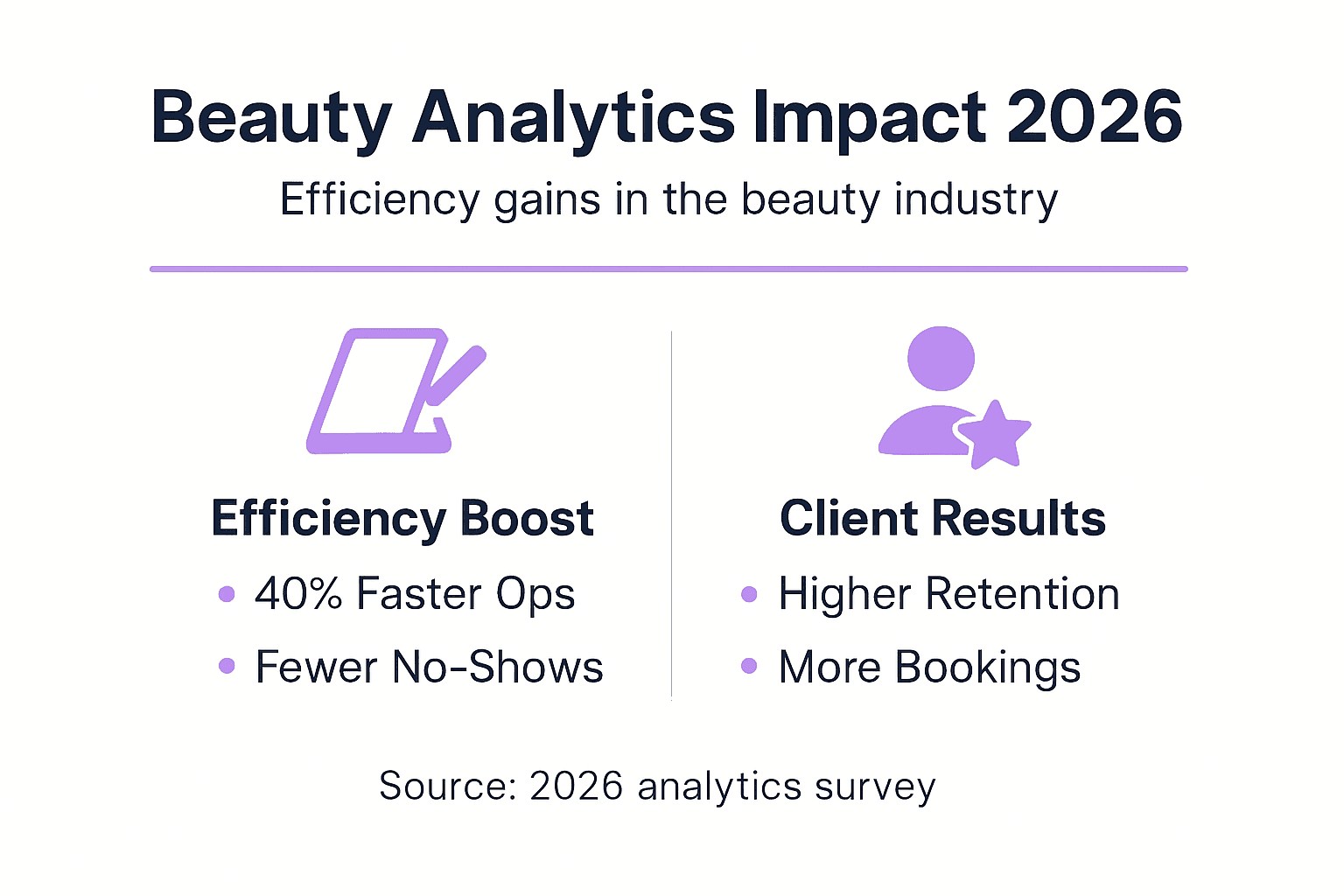
Discover how business analytics improves beauty business efficiency by 40% in 2026. Learn data-driven strategies for Australian salons to boost client engagement and operations.
Business Analytics Boost Beauty Efficiency 40% in 2026

Many beauty business owners still rely on spreadsheets and gut instinct, unknowingly leaving up to 40% of potential performance on the table. Proper business analytics transforms how Australian salons and spas use data to drive growth, optimize operations, and deepen client relationships. This guide explains what business analytics means for beauty and wellness businesses in 2026 and how to implement it effectively without technical expertise.
Table of Contents
- Understanding Business Analytics In The Beauty And Wellness Industry
- How Business Analytics Drives Operational Efficiency
- Boosting Client Engagement Through Data-Driven Insights
- Common Misconceptions Holding Back Beauty Businesses From Analytics
- Framework For Implementing Business Analytics In Beauty And Wellness Businesses
- Measuring Success And Continuous Improvement With Analytics
- Discover How Xolapp Can Transform Your Beauty Business Analytics
Key Takeaways
| Point | Details |
|---|---|
| Operational efficiency gains | Business analytics improves operational efficiency by up to 40% in beauty businesses. |
| Marketing ROI improvement | Analytics-driven marketing delivers a 25% higher ROI compared to traditional methods. |
| Common barriers | Misconceptions about complexity prevent many small businesses from adopting actionable analytics. |
| Integrated platforms | Centralized analytics platforms simplify data management and decision-making for beauty businesses. |
| Sustained growth | Continuous monitoring of analytics helps maintain growth and strengthen client engagement over time. |
Understanding Business Analytics in the Beauty and Wellness Industry
Business analytics is the process of collecting, analyzing, and acting on data specific to your beauty and wellness operations. For salons and spas, this means turning everyday business activities into actionable insights that drive smarter decisions. Every appointment booked, payment processed, and client preference recorded generates valuable data that can reveal patterns and opportunities.
Australian beauty businesses are increasingly adopting analytics tools to deliver personalized client experiences and improve efficiency. Your salon generates data across multiple touchpoints: appointment bookings show peak demand periods, client histories reveal service preferences, payment records track revenue trends, and staff schedules highlight productivity patterns. When managed strategically, this information becomes a competitive advantage.
Yet many beauty business owners underestimate the complexity of their data and wrongly assume manual tracking is sufficient, limiting their growth potential significantly. Spreadsheets and paper records cannot efficiently process the volume and variety of data modern beauty businesses generate. Centralized analytics platforms designed for the beauty sector transform scattered information into clear, actionable intelligence.
Common data types tracked in salons and wellness centers include:
- Appointment volumes by service type, time, and practitioner
- Client retention rates and visit frequency patterns
- Payment processing details and revenue by service category
- Staff availability, utilization rates, and performance metrics
- Product inventory levels and sales velocity
- Marketing campaign responses and conversion rates
Understanding these fundamentals sets the stage for implementing digital data management in beauty businesses that actually delivers results. The right analytics approach reveals which services drive profit, when to schedule staff, and how to keep clients coming back.
How Business Analytics Drives Operational Efficiency
Data-driven scheduling eliminates guesswork and reduces client no-shows by identifying optimal appointment times and sending automated reminders. Analytics reveals when your salon experiences peak demand, allowing you to allocate staff strategically rather than maintaining consistent staffing regardless of actual need. This precision reduces labor costs while ensuring adequate coverage during busy periods.
Before adopting analytics, beauty businesses typically operate with inefficiencies averaging 45%, wasting resources on overstaffing during slow periods and scrambling during unexpected rushes. Analytics helps forecast workforce needs by analyzing historical patterns, seasonal trends, and booking velocity. You can predict next week’s demand based on data rather than hunches.
Key steps to use analytics for operational improvement:
- Centralize all appointment scheduling analytics and client data in one platform to create a single source of truth.
- Analyze booking patterns to identify peak hours, popular services, and seasonal fluctuations for better planning.
- Adjust staff schedules dynamically based on predicted demand to optimize labor costs and service quality.
- Track and reduce no-show rates by implementing automated reminders and analyzing cancellation patterns.
- Monitor service duration accuracy to improve scheduling precision and reduce client wait times.
Pro Tip: Use integrated platforms to automate appointment reminders and confirmations, freeing up staff time for high-value client care instead of administrative tasks.
The following table illustrates typical efficiency improvements Australian salons experience after implementing analytics:
| Metric | Before Analytics | After Analytics | Improvement |
|---|---|---|---|
| Staff utilization rate | 62% | 87% | 25% increase |
| Client no-show rate | 18% | 7% | 61% reduction |
| Average wait time | 12 minutes | 4 minutes | 67% reduction |
| Labor cost as % of revenue | 48% | 35% | 27% reduction |
These gains directly impact profitability and client satisfaction. Understanding appointment software benefits helps you appreciate how technology transforms operational efficiency. Implementing these strategies positions your business for sustainable growth while maintaining quality service delivery. For additional strategies, explore beauty business efficiency tips.
Boosting Client Engagement Through Data-Driven Insights
Client data analytics enables beauty businesses to personalize promotions and communications based on individual preferences and behavior patterns. When you understand which services each client prefers, how frequently they visit, and what time slots they favor, you can tailor marketing messages that resonate. This targeted approach drives higher conversion rates than generic promotional blasts.
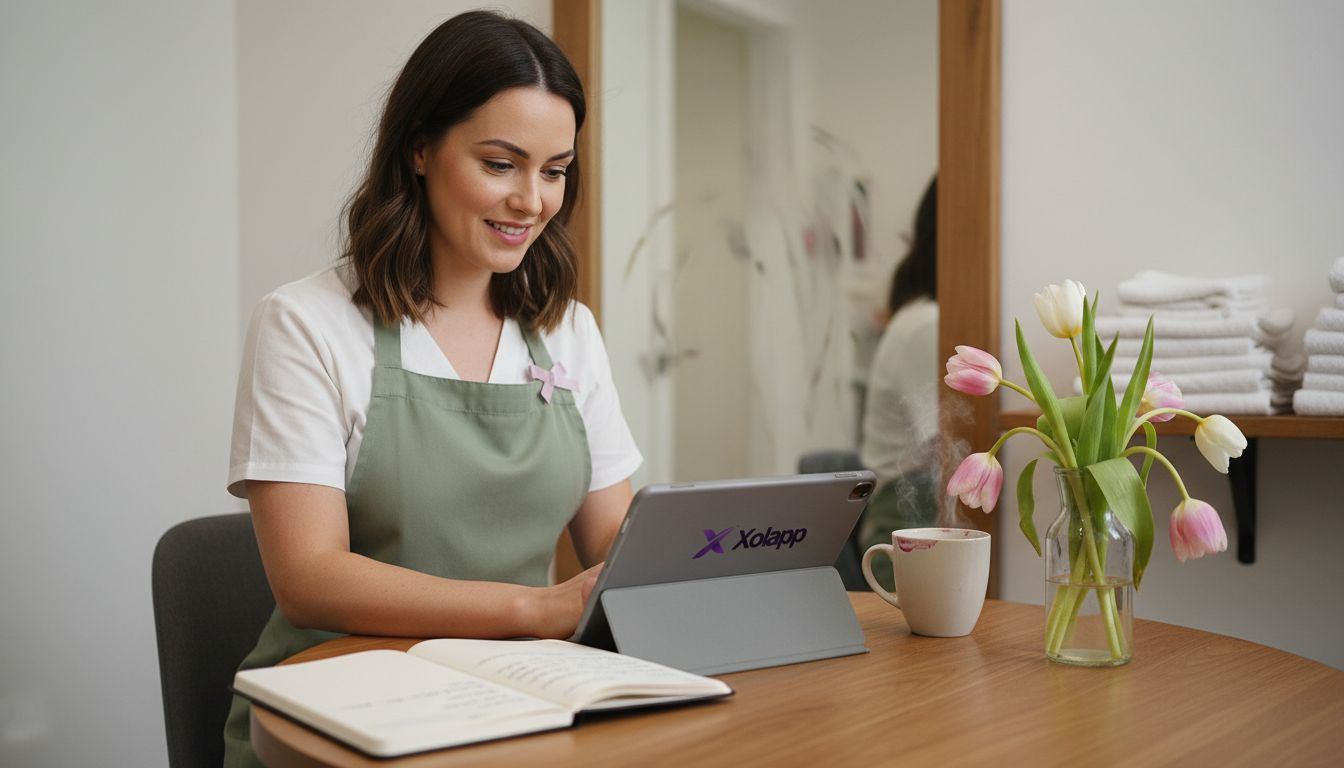
Analytics-driven marketing campaigns in the beauty sector have shown an ROI improvement of 25% compared to traditional marketing strategies. Automated reminders and follow-ups reduce no-show rates by approximately 25%, protecting revenue and optimizing schedule utilization. These systems work continuously without requiring staff intervention, ensuring consistent client communication.
Common analytics tools enhancing client retention include:
- Client segmentation platforms that group customers by service preferences, spending patterns, and visit frequency
- Automated birthday and anniversary campaigns triggered by client profile data
- Personalized product recommendations based on service history and purchase patterns
- Predictive rebooking reminders timed to individual client cycles
- Loyalty program tracking that rewards repeat visits and referrals
- Feedback collection systems that identify satisfaction trends and improvement opportunities
Effective client engagement strategies rely on accurate, current data. When client information becomes outdated, personalization efforts fall flat and damage trust. Regular data updates ensure your marketing remains relevant and your service recommendations align with current client needs.
Pro Tip: Regularly update client data and preferences after each visit to keep engagement strategies relevant and effective, building stronger relationships over time.
Integrated client data analytics systems make this ongoing maintenance effortless by prompting staff to confirm details during checkout. The compound effect of these improvements transforms client relationships from transactional to relational, increasing lifetime value and referral rates. Small investments in analytics infrastructure deliver outsized returns through improved retention and higher per-client revenue.
Common Misconceptions Holding Back Beauty Businesses from Analytics
Many beauty business owners believe manual tracking through spreadsheets and notebooks provides sufficient insight for decision-making. This misconception leads to significant performance losses. Research shows that inadequate data handling limits growth potential by up to 40%, representing substantial missed revenue and efficiency opportunities.
Another widespread myth suggests analytics tools are only worthwhile for large enterprises with dedicated data teams. In reality, affordable SaaS platforms designed specifically for small to medium beauty businesses now offer sophisticated analytics without enterprise pricing. These solutions democratize access to insights previously available only to major chains.
The perceived complexity of analytics adoption deters many salon and spa owners from exploring available tools. Modern platforms require no data science skills or technical expertise. User-friendly interfaces present insights through visual dashboards, making interpretation straightforward for busy business owners focused on clients rather than technology.
Top misconceptions and corrective facts:
- Myth: Manual tracking is sufficient for small salons. Reality: Manual methods miss patterns and opportunities that drive 40% efficiency gains.
- Myth: Analytics platforms are too expensive for independent businesses. Reality: Affordable monthly subscriptions start under typical software costs.
- Myth: You need technical skills to use analytics tools. Reality: Modern platforms offer intuitive dashboards designed for non-technical users.
- Myth: Setup and learning curves disrupt operations. Reality: Cloud-based solutions deploy within hours with minimal training required.
- Myth: Analytics only help large multi-location chains. Reality: Single-location businesses see proportionally larger improvements from baseline inefficiencies.
Many beauty business owners underestimate the complexity of their data and wrongly assume manual tracking is sufficient, limiting their growth potential significantly. The gap between perceived and actual data needs costs Australian salons thousands annually in lost optimization opportunities.
Platforms that simplify analytics for salons address these concerns directly through purpose-built interfaces and automated insights. Overcoming these misconceptions is the first step toward capturing the substantial benefits analytics delivers. The barriers are largely psychological rather than practical, making education and awareness critical for industry-wide adoption.
Framework for Implementing Business Analytics in Beauty and Wellness Businesses
Successful analytics adoption follows a structured approach that minimizes disruption while maximizing insight quality. This framework guides beauty business owners through practical steps tailored to salon and spa operations, emphasizing accessible SaaS solutions that require no technical background.
Step-by-step implementation process:
-
Centralize all client and operational data into one integrated platform that consolidates appointments, payments, client profiles, and staff schedules. Fragmented data across multiple systems prevents meaningful analysis and wastes time reconciling information.
-
Use predictive analytics features to identify patterns for staffing optimization and targeted marketing campaigns. Historical booking data reveals seasonal trends, popular service combinations, and optimal promotional timing that manual review misses.
-
Deploy automated communications based on analytics insights, including appointment reminders, rebooking prompts, and personalized offers triggered by client behavior patterns. Automation ensures consistency while freeing staff for higher-value interactions.
-
Monitor key performance indicators regularly through dashboard reviews and adapt strategies for continuous improvement. Weekly check-ins identify emerging trends early, allowing proactive adjustments rather than reactive scrambling.
Integrated SaaS platforms offering AI-driven automation ease this transition significantly. These systems handle data collection, pattern recognition, and insight presentation automatically, requiring only that you review recommendations and make decisions. The technology manages complexity while you focus on strategic choices that drive business growth.
When you implement analytics with Xolapp, the platform guides you through setup with intuitive prompts and templates designed for beauty businesses. Pre-configured dashboards display relevant metrics immediately, eliminating the need to build custom reports. Understanding business analytics platform features helps you evaluate which capabilities matter most for your specific operation.
This disciplined analytics adoption approach ensures sustainable implementation rather than overwhelming yourself with too many changes simultaneously. Start with core scheduling and client management analytics, then expand into advanced marketing automation and financial forecasting as your comfort grows. Incremental progress builds confidence and delivers quick wins that justify continued investment.
Measuring Success and Continuous Improvement with Analytics
Tracking the right metrics transforms analytics from interesting information into actionable intelligence that drives business decisions. Beauty businesses should focus on key performance indicators that directly impact profitability and client satisfaction. These metrics provide clear signals about what’s working and where adjustments are needed.
Critical KPIs to monitor and interpret:
- No-show rate measures appointment reliability and revenue protection effectiveness through reminder systems and booking policies.
- Client retention percentage indicates relationship strength and service quality, with quarterly comparisons revealing trend directions.
- Labor cost as percentage of revenue shows staffing efficiency and scheduling optimization success over time.
- Revenue per marketing dollar tracks campaign effectiveness and guides budget allocation decisions for maximum return.
- Average client lifetime value quantifies relationship quality and justifies retention investment priorities.
- Service utilization rates identify popular offerings and underperforming menu items requiring adjustment or promotion.
Regular tracking enables you to interpret these numbers contextually. A declining retention rate might signal service quality issues, pricing concerns, or increased competition requiring strategic response. Rising labor costs could indicate scheduling inefficiencies or the need for productivity training.
The following table shows typical KPI improvements from Australian beauty business case studies:
| Performance Indicator | Industry Average | With Analytics | Percentage Gain |
|---|---|---|---|
| Client retention rate | 58% | 76% | 31% improvement |
| No-show rate | 15% | 6% | 60% reduction |
| Marketing ROI | 2.8x | 3.5x | 25% increase |
| Staff productivity | 68% | 84% | 24% improvement |
Continuous adjustment and scaling of analytics strategies sustains these gains over time. Markets shift, client preferences evolve, and competitive dynamics change. Monthly dashboard reviews with quarterly deep dives maintain alignment between your analytics focus and current business priorities. Monitoring scheduling KPIs becomes routine rather than burdensome when integrated into regular business reviews.
Consolidated data systems and automation dramatically improve decision-making speed. When all relevant information appears in unified dashboards, you spot opportunities and problems immediately rather than discovering them weeks later during manual report compilation. This agility provides competitive advantage in fast-moving beauty markets.
Discover How Xolapp Can Transform Your Beauty Business Analytics
Xolapp integrates appointment booking, client management, payments, and analytics in one platform designed specifically for Australian beauty and wellness businesses. The system provides user-friendly AI-driven analytics that reveal patterns and opportunities without requiring technical expertise or data science knowledge.
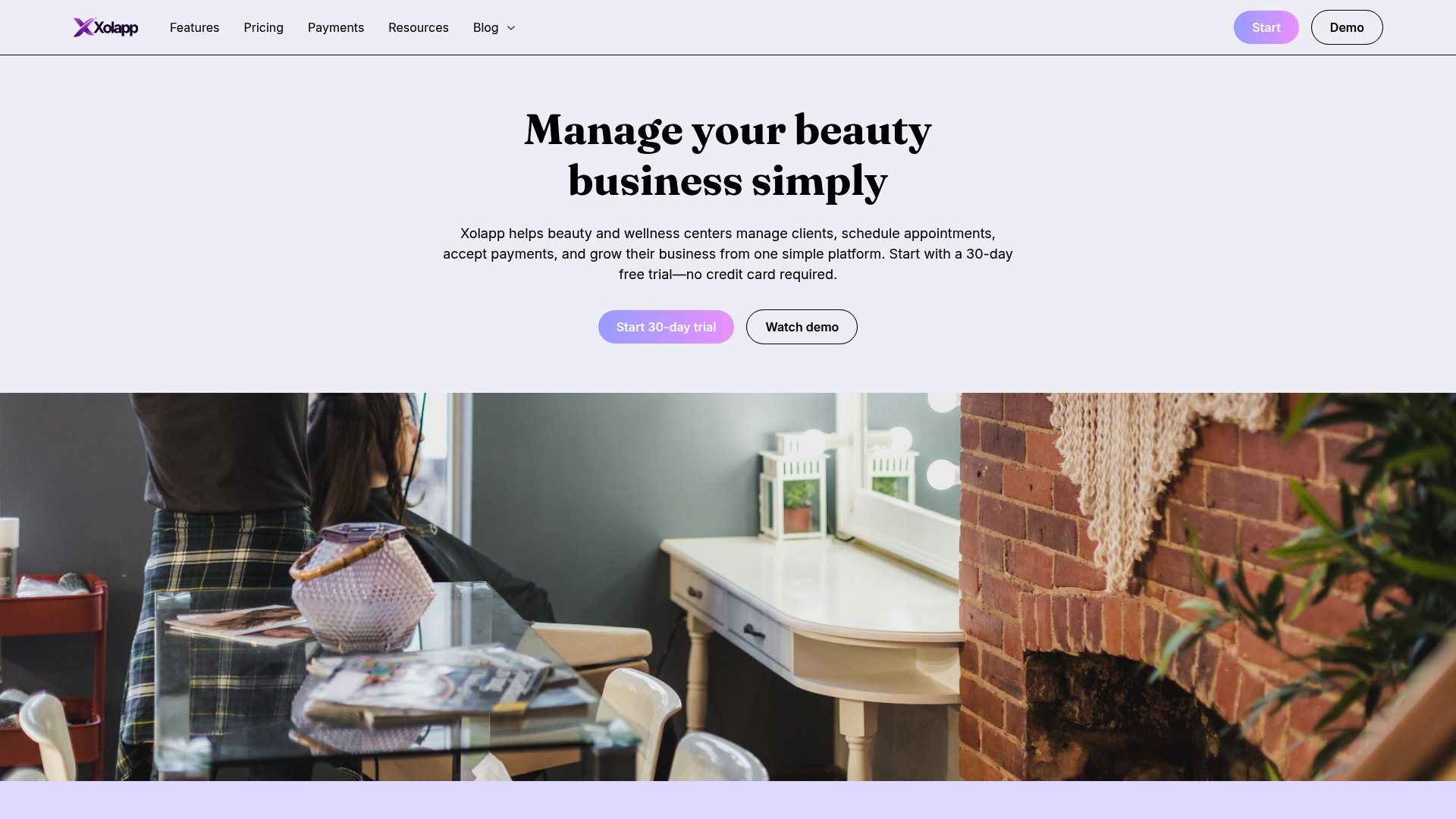
The platform helps reduce no-shows through automated reminders, optimizes staff scheduling based on demand predictions, and personalizes marketing automatically using client preference data. Small to medium businesses gain enterprise-level capabilities through an accessible interface that scales with your growth.
Xolapp’s built-in analytics dashboards present actionable insights immediately, showing which services drive profit, when to schedule staff, and how to keep clients engaged. The AI receptionist handles routine communications while you focus on delivering exceptional service. When you simplify your beauty business operations with Xolapp, you access comprehensive analytics without the complexity typical of enterprise systems.
Appointment scheduling made easy through intelligent booking systems that learn from patterns and suggest optimal configurations. The platform consolidates previously scattered data into unified client profiles, revealing the complete relationship history that enables personalized service.
Explore Xolapp features designed specifically for beauty and wellness businesses seeking to compete effectively in 2026’s data-driven market. The platform’s transparent pricing and free trial remove barriers to discovering how analytics can transform your operations, client engagement, and profitability.
FAQ
What is the first step for a small beauty business to start using analytics?
Begin by centralizing your client and appointment data in one integrated platform rather than maintaining scattered spreadsheets. This foundation enables meaningful analysis and reveals patterns impossible to spot across fragmented systems.
Can business analytics really work without technical knowledge?
Modern analytics platforms designed for beauty businesses require no technical expertise or data science skills. User-friendly dashboards present insights visually, making interpretation straightforward for busy salon owners focused on clients rather than technology.
How quickly can I expect to see improvements after implementing analytics?
Most beauty businesses notice initial efficiency gains within 2-4 weeks of centralizing data and enabling automated reminders. Substantial improvements in retention and marketing ROI typically appear within 3 months as patterns become clear and strategies adjust accordingly.
Are there affordable analytics tools tailored for Australian beauty businesses?
Yes, multiple SaaS platforms now offer sophisticated analytics specifically designed for salons and spas at accessible monthly subscription rates. These tools provide enterprise-level insights without enterprise pricing, making analytics accessible to independent businesses and small chains.
How often should I review analytics data for my salon or spa?
Weekly dashboard reviews catch emerging trends early and enable quick adjustments, while monthly deep dives assess strategic performance against goals. Quarterly comprehensive reviews align analytics focus with evolving business priorities and market conditions for sustained relevance.